
Understanding the terms of Bike Insurance in India is very simple & easy in 2026. Riding a bike in India is freedom on two wheels. It is fast, affordable, and deeply personal. However, with busy roads, unpredictable traffic, and rising repair costs, bike insurance in 2026 is no longer just a legal formality. It is a smart financial decision that protects your money, time, and peace of mind.

What Is Bike Insurance?
Bike insurance is a financial safety cover for your two-wheeler. If your bike causes damage to someone else, gets damaged, stolen, or meets with an accident, the insurance company pays as per your policy terms.
In India, third-party bike insurance is mandatory under the Motor Vehicles Act. Riding without insurance can lead to heavy fines and legal trouble. Beyond the law, insurance saves you from sudden expenses that can disturb your monthly budget.
Why Bike Insurance Matters More in India in 2026
Things have changed. Roads are busier, bikes are costlier, and repairs are no longer cheap.
Here is why bike insurance matters more than ever:
- Traffic density has increased in cities and highways
- Spare parts and labour costs are higher
- Weather events like floods and heatwaves damage bikes
- Theft cases are still common in urban areas
- Digital claims make insurance easier and faster
Therefore, bike insurance in 2026 is not just about rules. It is about being financially prepared.
Types of Bike Insurance in India (2026)
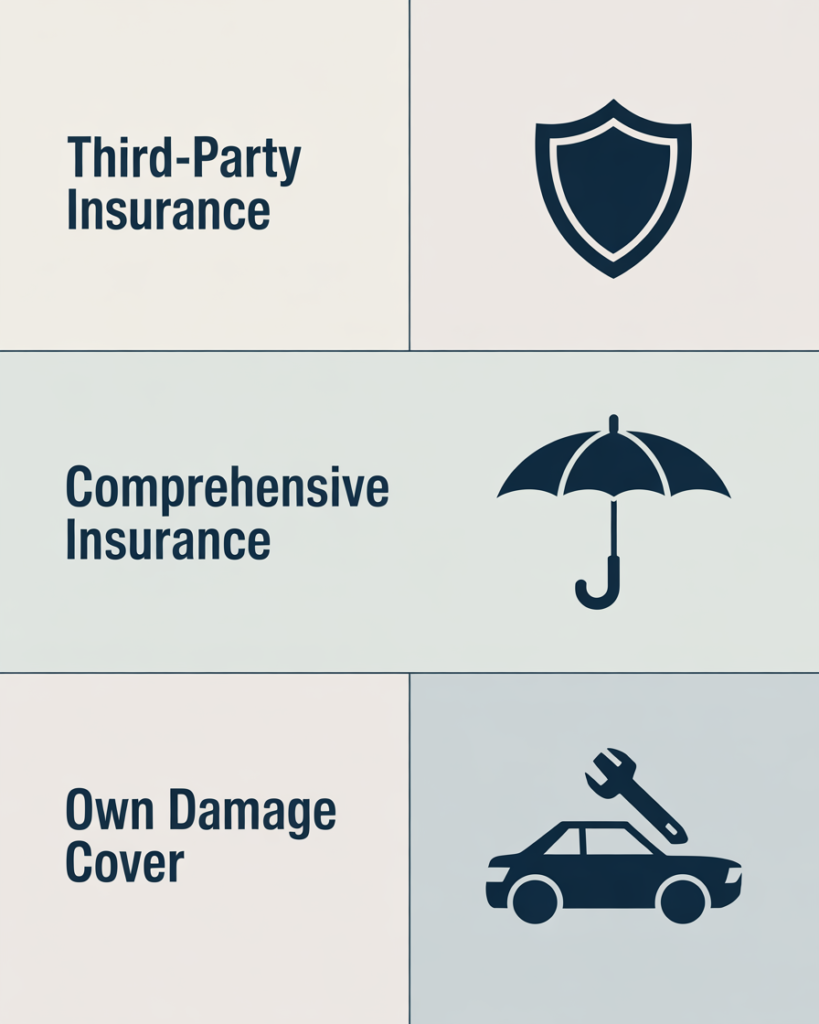
1. Third-Party Bike Insurance (Mandatory)
This policy covers injury, death, or property damage caused to a third person by your bike.
What it covers:
- Third-party injury or death
- Third-party property damage
What it does not cover:
- Damage to your own bike
- Theft or natural disasters
This is the cheapest bike insurance but offers limited protection.
2. Comprehensive Bike Insurance
This is the most popular and practical option in 2026.
It includes:
- Third-party liability cover
- Own damage cover (accidents, theft, fire, floods, vandalism)
If your bike is new or regularly used, comprehensive insurance makes sense.
3. Standalone Own-Damage (OD) Policy
This policy covers only damage to your bike. You can buy it if you already have an active third-party policy.
It gives flexibility during renewal and helps manage costs better.
Bike Insurance Add-Ons Worth Considering
Add-ons increase coverage and reduce out-of-pocket expenses during claims.
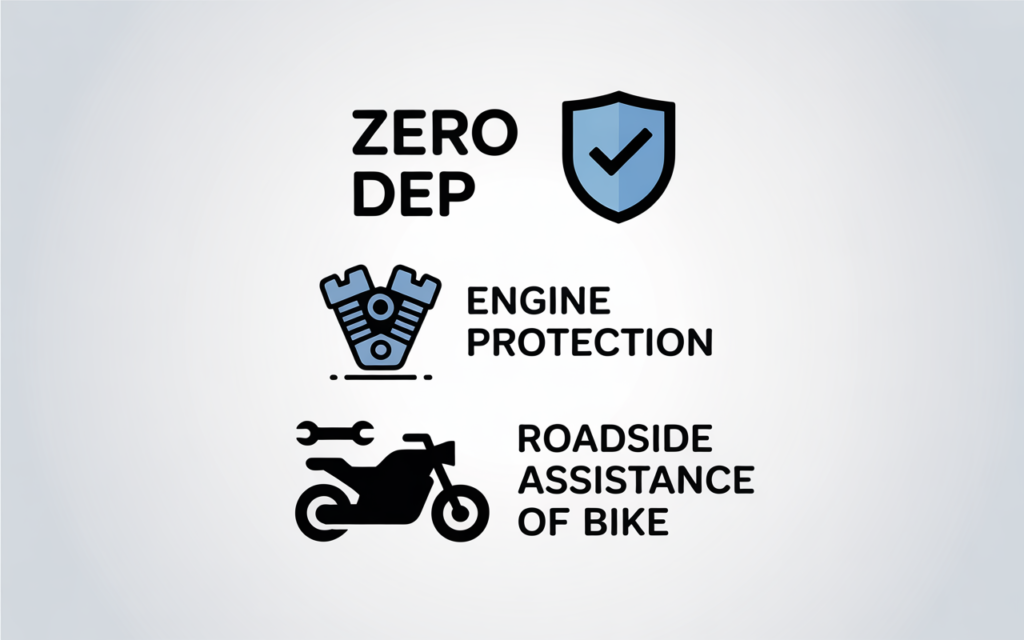
Zero Depreciation Cover
Pays the full cost of replaced parts without depreciation. Very useful for new bikes.
Engine Protection Cover
Covers engine damage due to water ingress or oil leakage, especially useful during monsoons.
Roadside Assistance
Provides towing, fuel delivery, and breakdown help.
Consumables Cover
Covers engine oil, brake fluid, nuts, bolts, and similar items.
Return to Invoice (RTI)
If your bike is stolen or totally damaged, you get the original invoice value.
How Bike Insurance Premium Is Calculated
Your premium depends on multiple factors:
- Bike model and engine capacity (CC)
- Year of manufacture
- City of registration
- Insured Declared Value (IDV)
- Add-ons selected
- Claim history and No Claim Bonus (NCB)
- Anti-theft devices
Choosing the right balance between IDV and premium is important.
IDV and NCB Explained Simply
IDV (Insured Declared Value):
It is the maximum amount you receive if your bike is stolen or totally damaged.
NCB (No Claim Bonus):
It is a discount on premium for every claim-free year. It can go up to 50%.
Avoid small claims to protect your NCB.
Government Rules for Bike Insurance (2026)
- Third-party insurance is compulsory by law
- New bikes come with 5-year third-party insurance
- Riding without insurance attracts fines and penalties
- Digital insurance documents are legally valid
- IRDAI regulates pricing and policy structure
These rules ensure wider coverage and consumer protection.
Electric Two-Wheeler Insurance in 2026
Electric bikes are rising fast in India.
EV bike insurance includes:
- Battery protection
- Charging equipment cover
- Fire and thermal risk cover
- EV roadside assistance
Since batteries are expensive, EV-specific add-ons are highly recommended.
How to Choose the Best Bike Insurance Policy
Follow this simple framework:
- Choose comprehensive cover if possible
- Add Zero Dep and Engine Protection
- Check claim settlement ratio of insurer
- Ensure cashless garages nearby
- Compare policies before buying
Compare bike insurance plans from multiple insurers
How to Reduce Your Bike Insurance Premium
- Maintain a claim-free record
- Use voluntary deductibles
- Install approved anti-theft devices
- Renew policy on time
- Compare insurers every year
Small decisions lead to big savings.
How to File a Bike Insurance Claim (2026)
- Inform insurer immediately via app or helpline
- Upload photos or videos of damage
- Register FIR if required (theft or major damage)
- Take bike to cashless garage
- Survey and approval
- Repairs begin
Digital claims make the process faster and simpler.
Common Mistakes Riders Should Avoid
- Buying cheapest policy blindly
- Ignoring add-ons
- Selecting very low IDV
- Making claims for minor scratches
- Forgetting timely renewal
Avoiding these mistakes saves money and stress.

Final Thoughts
Bike insurance in India 2026 is simple if you understand it well. It protects you from sudden expenses, legal trouble, and mental stress. Choose wisely, compare regularly, and ride with confidence.
Managing insurance smartly across vehicles can save money. If you want to understand deeper, our car insurance in India 2026 guide explains advanced coverage and cost-saving strategies.
FAQs
Is bike insurance mandatory in India?
Yes, third-party bike insurance is compulsory by law.
Which bike insurance is best?
Comprehensive insurance with Zero Dep add-on suits most riders.
Can I transfer NCB to a new bike?
Yes, NCB belongs to the owner, not the bike.
Is EV bike insurance expensive?
It can be slightly higher, but EV-specific covers are worth it.