

The first time I heard the term OB Order Block, I was confused. Charts were already full of indicators, lines, and signals. Adding another concept felt overwhelming. However, once I truly understood what is OB in trading, everything changed. Price movements stopped looking random. Market reactions started to make sense.
If you stay with me till the end, you will understand why professional traders respect order blocks and why beginners should learn them early.

What is OB Order Block in trading? Learn how order blocks work, how institutions trade, and how beginners can use OB in the share market.
What Is OB (Order Block) in Trading?
An Order Block (OB) is a price zone where large institutions placed significant buy or sell orders. These institutions cannot enter the market like retail traders. Their order size is too big. Instead, they accumulate or distribute positions quietly before a strong price move.
In simple words, an order block is the footprint of smart money.
- Bullish OB: Area where institutions bought heavily before price moved up
- Bearish OB: Area where institutions sold heavily before price moved down
Price often returns to these zones because unfinished institutional orders placement in markets still exist there.

What Is OB in General Share Market Terms?
In the share market, order blocks represent areas where:
- Mutual funds accumulated shares
- Institutions entered large positions
- Smart money prepared for expansion or distribution
Retail traders usually notice the move after it happens. Order blocks help you identify where that move started.
Why Order Blocks Matter in 2026
Markets are faster, but human behaviour remains the same.
Order blocks matter because:
- Institutions still need liquidity
- Large orders cannot be placed instantly
- Stop losses are used to fill positions
- Price revisits institutional zones repeatedly
Order blocks are not magic. They are logic-based zones.
Order Block vs Support and Resistance
Support and resistance show where price reacted.
Order blocks show why price reacted.
- Support/resistance = reaction zones
- Order blocks = decision zones
This is a critical shift in thinking.
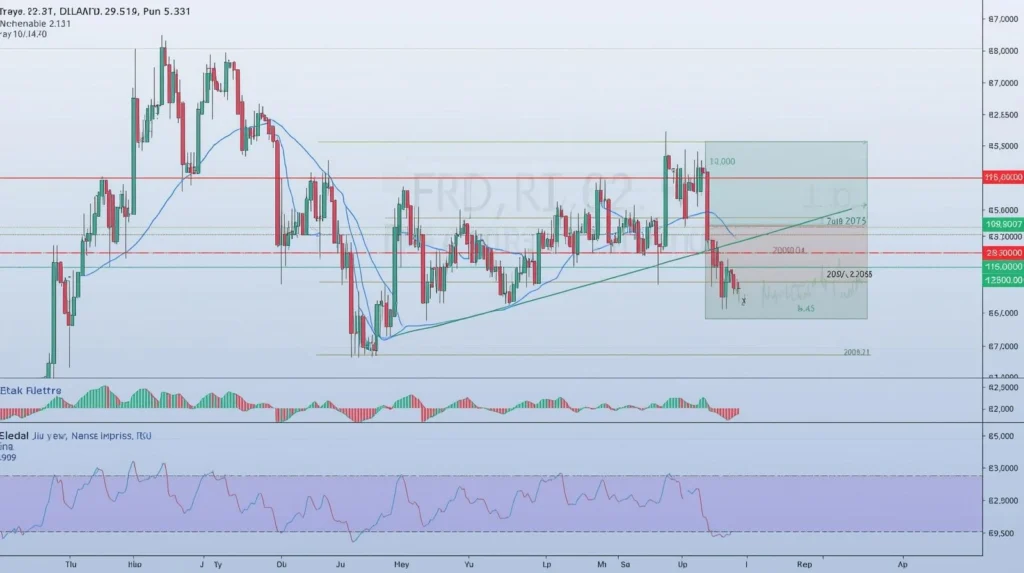
Types of Order Blocks
Bullish Order Block
A bullish OB is usually the last bearish candle before a strong bullish move.
It shows aggressive buying by institutions.
Bearish Order Block
A bearish OB is the last bullish candle before a strong bearish move.
It represents institutional selling pressure.
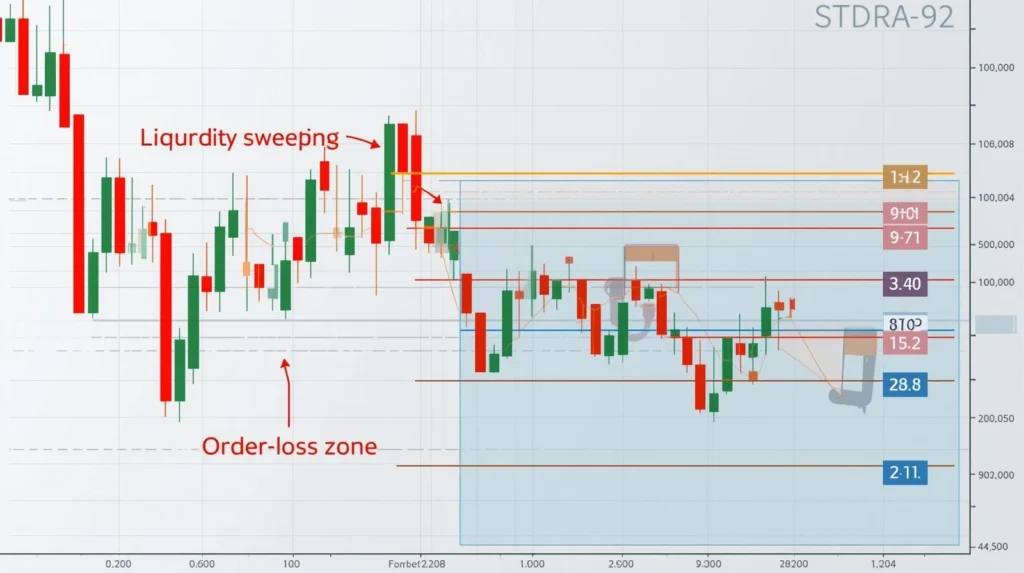
How to Identify a Valid Order Block
Not every candle is an order block.
A valid OB usually has:
- Strong impulsive move after it
- Break of structure
- Clear imbalance
- High volume or momentum
If price moves slowly, the OB is weak.
Order Blocks and Market Structure
Order blocks work best when aligned with market structure.
- In uptrend: focus on bullish OBs
- In downtrend: focus on bearish OBs
Trading against structure increases risk.
Order Blocks and Liquidity
Institutions often push price into liquidity before reversing.
Order blocks often sit:
- Near equal highs or lows
- Around stop-loss clusters
- After liquidity sweeps
This is not coincidence. It is execution logic.
How Beginners Should Trade Using Order Blocks
Keep it simple.
- Identify higher-timeframe trend
- Mark strong OB zones
- Wait for price to return
- Enter with confirmation
- Use defined stop loss
Patience is key.
Common Mistakes Beginners Make With OB
- Marking too many order blocks
- Ignoring timeframes
- Trading OBs without confirmation
- Overleveraging
Order blocks are zones, not signals.
Order Blocks and Emotional Trading
Order blocks reduce emotional trading because:
- Entries are planned
- Risk is predefined
- No chasing price
Calm traders last longer.
Order Blocks vs Indicators
Indicators react after price moves.
Order blocks explain where the move started.
Indicators can help, but price leads.
OB in Different Markets
Order blocks work in:
- Stocks
- Forex
- Crypto
- Indices
Liquidity is the common factor.
Risk Management With Order Blocks
Always:
- Risk fixed percentage
- Place stop beyond OB
- Avoid news volatility
Order blocks improve probability, not certainty.

Final Thoughts
Understanding what is OB Order Block gives you a deeper view of markets. You stop reacting and start preparing.
Order blocks reward patience, structure, and discipline.
Learn slowly. Practice consistently.
Frequently Asked Questions (FAQs)
Are order blocks suitable for beginners?
Yes, when learned step by step and traded with discipline.
Do order blocks work in all timeframes?
They work better on higher timeframes but can be refined on lower ones.
Are order blocks better than indicators?
They explain price behaviour, while indicators confirm it.
Can OB be used in long-term investing?
Yes, institutional accumulation zones matter for investors too.
2 thoughts on “What Is Order Block in Trading Simple Guide”