
I learned this the hard way. Trading is not lost because of bad strategies. It is lost because of bad decisions made under pressure. Charts don’t break accounts—emotions do. That is why understanding trading psychology is not optional in 2026; it is essential.
This article is written for real people. Not robots. Not institutions. Just traders who want clarity. We will start from the basics and move step by step into intermediate concepts, covering emotional trading, discipline, mindset, and the psychology of trading that separates consistent traders from frustrated ones.
If you stay with me till the end, you will not just understand trading psychology—you will feel it.
Trading psychology- Learn how emotions, discipline, and mindset affect trading decisions and how to master emotional trading.
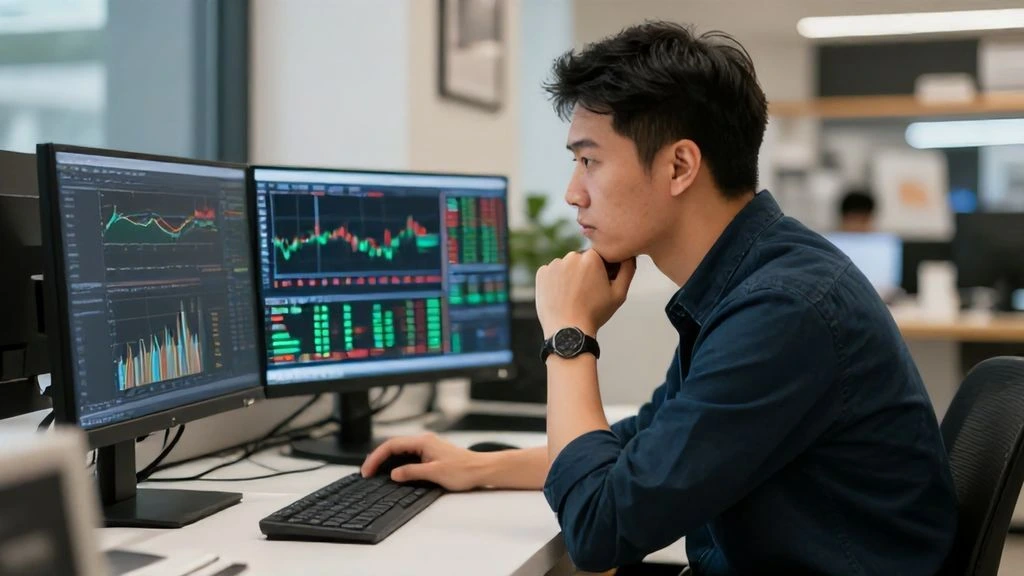
What Is Trading Psychology?
Trading psychology refers to the mental and emotional state that influences trading decisions. It includes fear, greed, hope, regret, confidence, and discipline. Every trade you take is influenced by your mind—whether you realise it or not.
You can have the best strategy in the world. Still, if you panic during losses or get greedy during wins, your results will suffer. That is why professional traders spend more time mastering their mindset than searching for new indicators.
Why Trading Psychology Matters More Than Strategy
Here is an uncomfortable truth: most traders lose money not because they lack knowledge, but because they lack control.
Markets are uncertain. Losses are normal. However, emotional reactions turn small losses into big ones. Emotional trading leads to:
- Overtrading after losses
- Exiting winning trades too early
- Holding losing trades too long
- Ignoring stop losses
- Breaking your own rules
Therefore, mastering trading psychology is about protecting yourself from yourself.
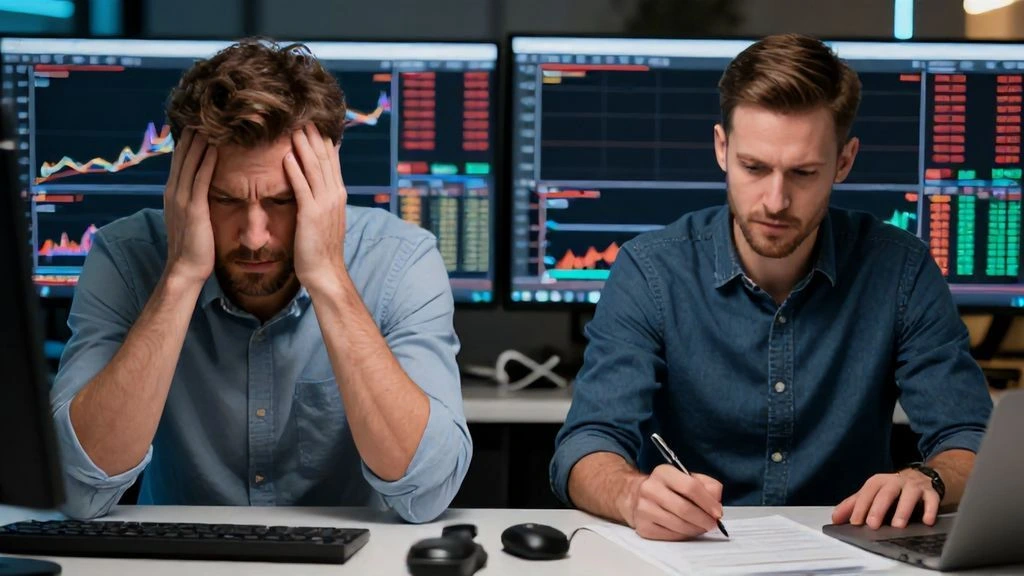
The Core Emotions That Control Traders
Fear
Fear appears after losses. It makes traders hesitate, miss good setups, or exit trades early.
Greed
Greed appears after wins. It pushes traders to overtrade, increase risk, or chase the market.
Hope
Hope keeps traders stuck in losing positions, waiting for a reversal that may never come.
Regret
Regret makes traders chase missed trades and abandon discipline.
Understanding these emotions is the first step toward controlling them.
Emotional Trading: The Silent Account Killer
Emotional trading happens when decisions are driven by feelings instead of logic. This includes revenge trading, impulsive entries, and breaking risk rules.
I have been there. One loss feels personal. One win feels empowering. Both are dangerous if unmanaged.
To reduce emotional trading:
- Accept losses as business expenses
- Predefine risk before every trade
- Walk away after consecutive losses
- Focus on process, not outcome
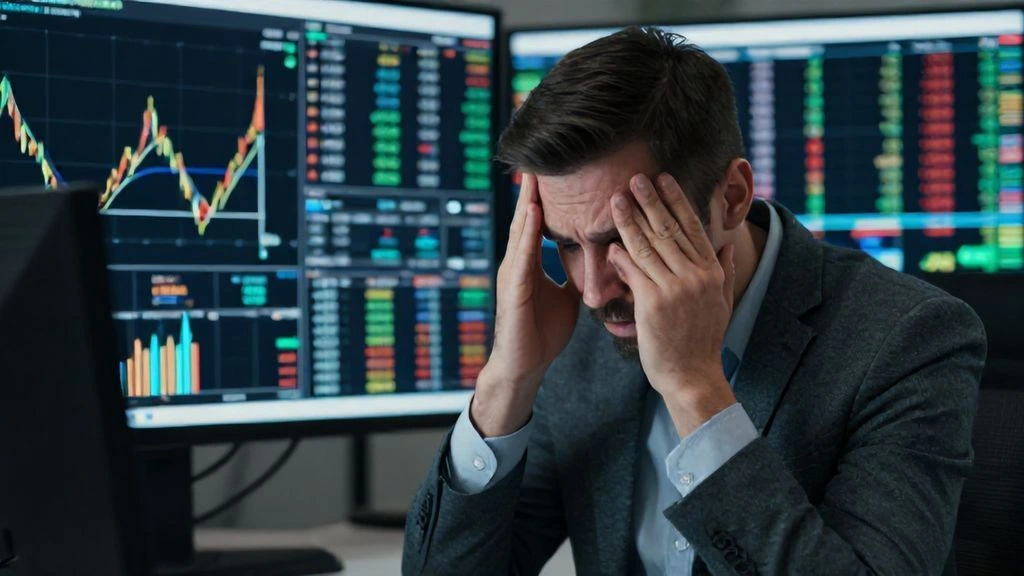
The Psychology of Trading Losses
Losses are unavoidable. Even the best traders lose regularly. What matters is how you respond.
Healthy mindset:
- Losses are feedback
- Losses do not define you
- One trade means nothing
Unhealthy mindset:
- Trying to recover losses immediately
- Increasing position size emotionally
- Blaming the market
Professional traders think in probabilities, not predictions.
Discipline: The Real Edge in Trading
Discipline means doing the right thing even when it feels uncomfortable.
This includes:
- Following your trading plan
- Using stop losses every time
- Trading only high-quality setups
- Avoiding boredom trades
Discipline turns average strategies into profitable systems.
Building a Strong Trading Mindset
A strong mindset is built, not born.
Key habits:
- Journaling every trade
- Reviewing mistakes every time
- Maintaining consistent position sizing
- Limiting screen time
- Separating self-worth from results
Over time, these habits rewire your trading psychology.
Beginner vs Professional Trading Psychology
Beginners focus on money.
Professionals focus on execution.
Beginners chase signals.
Professionals follow systems.
This shift in thinking marks true growth.
If you are new to markets, building the right foundation matters. Our guide on Trading for Beginners How to Make Smart Money Moves explains how mindset and basics work together.
How Trading Psychology Evolves With Experience
In early stages, emotions are intense. Every trade feels important.
With experience:
- Losses feel neutral
- Wins feel controlled
- Patience increases
- Confidence becomes quiet
This is emotional maturity in trading.
Practical Daily Routine for Mental Control
- Pre-market plan
- Fixed risk per trade
- Maximum daily loss limit
- Post-trade reflection
Routine reduces emotional noise.
Final Thoughts
Trading psychology is not about eliminating emotions. It is about managing them.
Markets reward Discipline, Patience, and Emotional stability. If you master your mind, strategies become secondary.
Trade less. Think more. Protect capital.
Frequently Asked Questions (FAQs)
Is trading psychology more important than strategy?
Yes. A simple strategy with strong psychology beats complex strategies with weak discipline.
How do I stop emotional trading?
By using predefined risk, journaling, and accepting losses as normal.
Can beginners learn trading psychology early?
Yes. In fact, learning it early prevents long-term losses.
Does trading psychology apply to all markets?
Yes. Stocks, forex, crypto, and commodities all involve human emotion.
3 thoughts on “Trading Psychology The Hidden Key to Profitable Trading”