

Picture this. You are sitting at your computer, watching numbers dance across the screen. Suddenly, it clicks. Those colourful charts are not random. They are stories. They are decisions. And yes, they can become your path to financial growth.
Trading often looks like a secret club meant only for Wall Street professionals or math geniuses. However, the truth is far simpler. Trading for beginners is not about intelligence or luck. It is about learning the right basics, building discipline, and managing risk.
Trading means buying and selling financial instruments such as stocks, forex, commodities, or cryptocurrencies with the aim of making a profit. Think of it like buying a phone during a sale and selling it later at a better price. The principle stays the same: buy low, sell high, and manage the difference wisely.
This guide exists for one reason: to help beginners start trading the right way. Not with hype. Not with shortcuts. But with clarity. You will learn the fundamentals, the mindset, the tools, and the mistakes to avoid. Whether your interest is stocks, forex, or crypto, the core principles remain universal.

What Is Trading? A Beginner-Friendly Explanation
Trading is the act of participating in financial markets through a broker using digital platforms. When you trade, you are speculating on price movement. If you believe the price will rise, you buy. If you believe it will fall, you sell.
Markets move because of supply and demand. When more people want to buy than sell, prices go up. When more people want to sell than buy, prices fall. This basic rule drives every market, every chart, and every opportunity.
There are different styles of trading:
- Day trading: Positions are opened and closed within the same day
- Swing trading: Trades last from a few days to a few weeks
- Position trading: Trades last for months or longer
Each style requires different levels of time, patience, and emotional control. For most beginners, swing trading is often the safest starting point.
How Financial Markets Really Work
Financial markets operate like global auction systems. Millions of buyers and sellers interact every second. Prices respond to news, earnings reports, economic data, global events, and even social media reactions.
Prices move because of buying and selling pressure, which is driven by supply and demand in financial markets.
This is why markets feel unpredictable. However, price movement always leaves clues. Charts reflect collective human behaviour: fear, greed, hesitation, and confidence. Learning to read these clues is the foundation of successful trading.
Essential Tools Every Beginner Trader Needs
Before placing your first trade, you need the right setup.
Trading Platform and Broker
A broker connects you to the market. Choose one that is regulated, transparent, and beginner-friendly. Focus on:
- Regulatory compliance
- Low trading fees
- Simple user interface
- Educational resources
- Demo account availability
A demo account is essential. It allows you to practice trading with virtual money. Beginners should spend several weeks on demo accounts before risking real capital.
Basic Setup
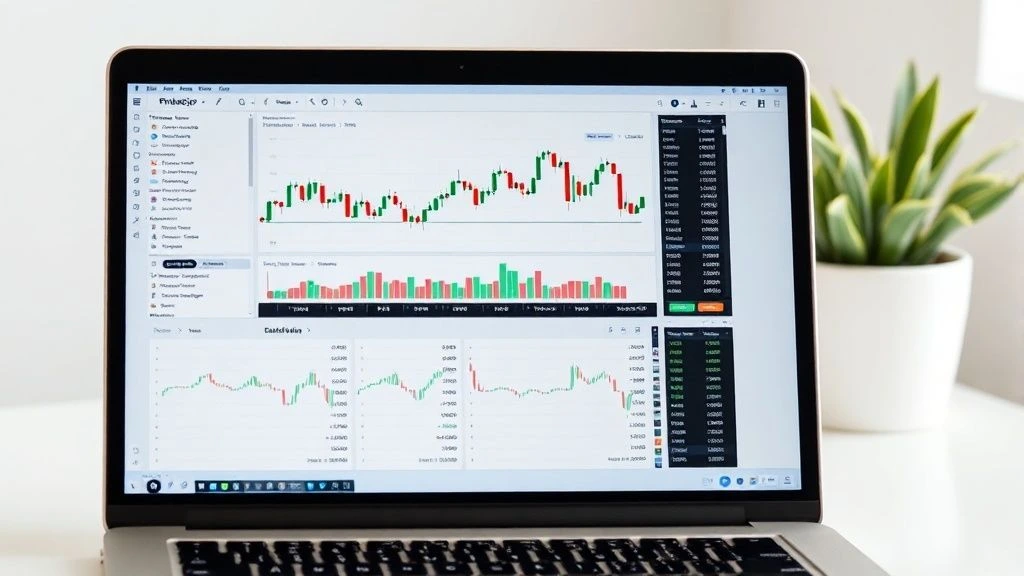
You do not need multiple screens or expensive systems. A stable internet connection, a laptop, and a calm environment are more than enough when starting.
Risk Management: The Skill That Saves Accounts
Risk management is more important than strategy.
The golden rule of trading for beginners is simple: never risk money you cannot afford to lose.
Position Sizing
A common guideline is the 2% rule. Never risk more than 2% of your trading capital on a single trade. This allows room for mistakes without destroying your account.
Stop Loss Discipline
A stop loss automatically exits your trade if price moves against you. It protects your capital and emotions. Avoiding stop losses is one of the biggest beginner mistakes.
Diversification
Avoid placing all capital into one trade or one market. Spread risk logically. This reduces emotional pressure and protects long-term survival.
Building Your First Trading Strategy
A trading strategy is a structured plan. It answers three questions:
- When to enter a trade
- When to exit in profit
- When to exit in loss
Beginners should keep strategies simple.
Trend Following (Beginner-Friendly)
Trade in the direction of the trend. If price is making higher highs and higher lows, focus on buying. Fighting trends increases risk.
Support and Resistance
Support acts as a price floor. Resistance acts as a price ceiling. These levels help traders identify logical entry and exit points.
To improve entries and exits, beginners should also learn how price behaves on charts. Our detailed guide on Trading candlestick patterns 2026 explains this step by step with real examples.
Backtesting and Journaling
Backtesting checks how a strategy performed in the past. A trading journal records emotions, mistakes, and lessons. Together, they accelerate growth.
Common Beginner Trading Mistakes
Most losses come from behaviour, not charts.
- Emotional trading driven by fear or greed
- Overtrading due to boredom
- Revenge trading after losses
- Constantly changing strategies
- Ignoring risk management
Consistency beats excitement. Discipline beats prediction.
Trading Psychology: The Hidden Edge
Successful traders manage emotions better than price.
Losses are part of the process. Even professional traders lose regularly. The goal is not to win every trade, but to manage losses while letting winners grow.
Develop patience. Avoid impulsive decisions. Respect your plan.

Your Trading Journey Starts Here
Trading is a long-term skill. Results come from learning, practice, and discipline.
Start with education. Use demo accounts. Trade small. Focus on process, not profits. Markets reward patience far more than speed.
When approached correctly, trading improves not only financial skills but also decision-making, emotional control, and risk awareness.
Trade with respect. Trade with preparation. Trade with realistic expectations.
Frequently Asked Questions (FAQs)
Is trading suitable for beginners?
Yes. With proper education, risk management, and patience, beginners can learn trading safely.
How much money do beginners need to start trading?
You can start with a small amount. Focus on learning rather than profits.
Is trading gambling?
No. Trading becomes gambling only when done without rules, discipline, or risk control.
How long does it take to become profitable?
Most traders need months or years of consistent practice to achieve stable profitability.
Which market is best for beginners?
Stocks and swing trading are generally easier starting points for beginners.
2 thoughts on “Trading for Beginners How to Make Smart Money Moves”